Explore The Healing Power of Art at The Estelle Center
Art is a transformative form of expression that goes beyond creating artistic items. It offers a unique way to explore your inner thoughts, emotions, and experiences. The Estelle Center for Creative Arts in La Veta, Colorado, provides a safe space for self-exploration and healing through various art forms, which can enhance your overall well-being.
Benefits of Art as Therapy
Self-Expression and Communication
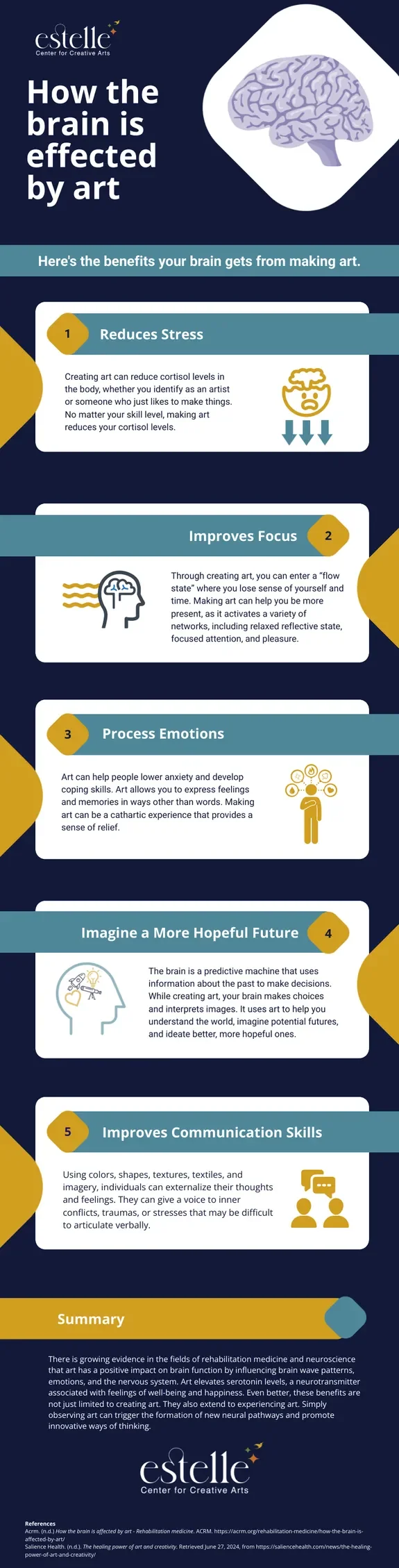
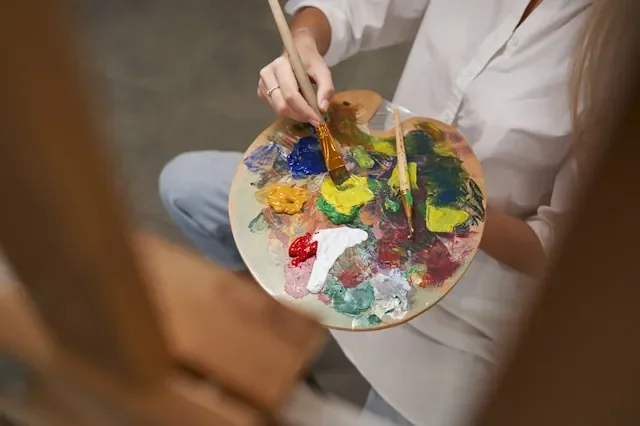
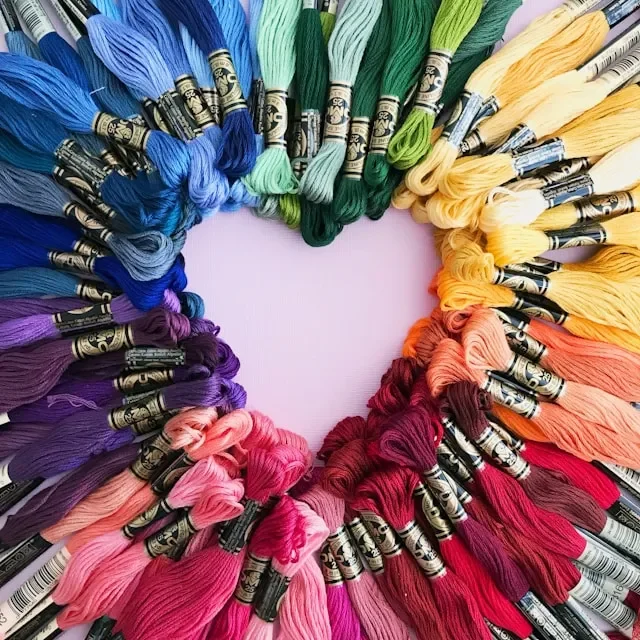
Art provides a non-verbal means of communication, which can be particularly healing for those who struggle to express their feelings in words. By using colors, shapes, textures, fabrics, and imagery, individuals can convey their thoughts and emotions outwardly. This process allows them to voice inner conflicts, traumas, or stresses that may be difficult to articulate verbally. Engaging in artistic activities can free individuals to explore their inner world, gain insight into their emotions, and improve their moods.
Stress Reduction
Cortisol is a stress hormone released when a person experiences stress or anxiety. When cortisol levels are high, the body prioritizes dealing with stress over normal bodily functions.
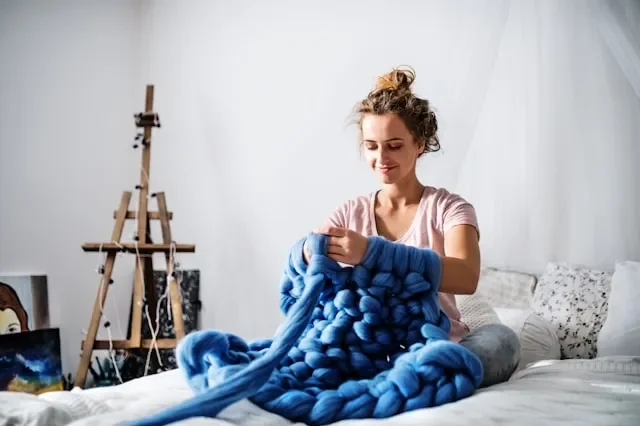
Creating art can reduce cortisol levels in the body and it can be a form of meditation. Partaking in a creative process redirects focus away from stressors and provides mental relief. People who engage in art therapy report more relaxation, mindfulness, and a sense of calmness that contributes to stress relief and emotional well-being.
“A systematic review of 37 studies on art therapy found that art therapy interventions reduced stress levels for around 80 percent of participants.” Creating art, whether as a hobby or a career, has the potential to reduce cortisol levels.
Cognitive Function
When you focus on choosing colors for your quilt or painting, you’re using critical thinking skills that help keep your brain sharp. This can be especially therapeutic in aging individuals.
The American Congress of Rehabilitation Medicine asserts that, “Art allows people to enter a “flow state,” or that feeling when you’re in the zone and lose sense of yourself and of time. Making art can help you be more present, and it activates a variety of networks, including relaxed reflective state, focused attention, and pleasure.
Various areas of the brain are engaged during artistic activities such as memory recall, problem-solving skills, and attention span.
Social Connection
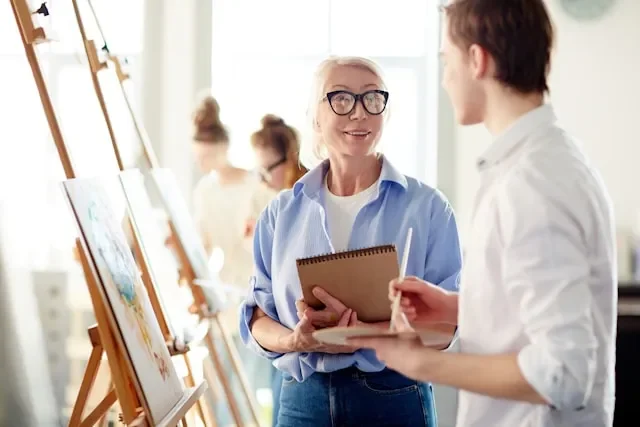
Participating in community art programs provides social interaction and community engagement that fosters a sense of belonging and combats feelings of isolation. The shared experience of learning and creating together promotes emotional well-being.
Art and Neuroscience
“Neuroarts is the study of how the arts and aesthetic experiences measurably change the body, brain, and behavior- and how this knowledge translates into practices that advance health, wellbeing and learning. Researchers are discovering that the arts alter a complex physiological network of interconnected systems—including neural circuitry, circulatory, respiratory, immune and endocrine and psychological—like nothing else.”
Art elevates serotonin levels, a neurotransmitter associated with feelings of well-being and happiness. Even better, these benefits are not just limited to creating art. They also extend to experiencing art. Simply observing art can trigger the formation of new neural pathways and promote innovative ways of thinking.
In a research study conducted by Professor Semir Zeki, a renowned expert in neuroaesthetics at University College London, participants underwent brain imaging scans while being exposed to images of paintings created by prominent artists. The study found that when individuals viewed art that they perceived as exceptionally beautiful, there was a notable increase in blood flow (up to 10 percent) to the area of the brain linked to pleasure. This surge in blood flow was comparable to the response observed when individuals gaze at a beloved person.
Art at the Estelle Center
The Estelle Center provides a nurturing environment for individuals to explore their creativity, establish connections, and begin a path of self-discovery and recovery.
Click here for more information about our programs and offerings.
References
Acrm. (n.d.) How the brain is affected by art - Rehabilitation medicine. ACRM. https://acrm.org/rehabilitation-medicine/how-the-brain-is-affected-by-art/
BetterHelp Editorial Team. (2024, June 20). Effectiveness of art therapy: The role of it in Mental Health | BetterHelp. https://www.betterhelp.com/advice/therapy/effectiveness-of-art-therapy-the-role-of-art-therapy-for-mental-health/
Caron, C. (2023, May 23). How the Arts Can Benefit Your Mental Health (No Talent Required): Drawing, music and writing can elevate your mood. Here are some easy ways to welcome them into your life. The New York Times. Retrieved June 27, 2024, from https://www.nytimes.com/2023/05/22/well/mind/art-mental-health.html
Martin, L., Oepen, R., Bauer, K., Nottensteiner, A., Mergheim, K., Gruber, H., & Koch, S. C. (2018). Creative Arts Interventions for Stress Management and Prevention—A Systematic Review. Behavioral Sciences, 8(2), 28. https://doi.org/10.3390/bs8020028
Mendick, R. [Robertmendick]. (2011, May 8). Brain scans reveal the power of art: Works of art can give as much joy as being head over heels in love, according to a new scientific study. The Telegraph. https://www.telegraph.co.uk/culture/art/art-news/8500012/Brain-scans-reveal-the-power-of-art.html
Perkins, R., Mason-Bertrand, A., Tymoszuk, U., Spiro, N., Gee, K., & Williamon, A. (2021). Arts engagement supports social connectedness in adulthood: findings from the HEartS Survey. BMC Public Health, 21(1). https://doi.org/10.1186/s12889-021-11233-6
Salience Health. (n.d.). The healing power of art and creativity. Retrieved June 27, 2024, from https://saliencehealth.com/news/the-healing-power-of-art-and-creativity/
Velarde, J. (2023, July 23). Creative Arts and aging: The Benefits of art therapy. Senior Friendship Centers. https://friendshipcenters.org/creative-arts-and-aging-the-benefits-of-art-therapy/
Your brain on art. (n.d.). https://www.yourbrainonart.com/